Loved by teams at


























1.4
days
length of stay reduction
$1.70
PMPM Savings
96%
Provider Satisfaction
Post-acute and behavioral health coordination is broken
It doesn't have to be.
Manual processes, disconnected systems, and poor provider engagement create delays that hurt members and drain budgets. You’re spending time chasing information instead of optimizing care.
Manual Communication: Teams spend hours chasing provider information through phone calls, faxes, and fragmented systems—delaying authorization decisions and straining relationships.
Disconnected Systems: Complex care management systems sit unused because they don't fit provider workflows. Low adoption means you're flying blind on your most vulnerable members.
No Actionable Data: Without consistent provider engagement, you lack the real-time insights to identify early warning signals on length of stay, readmissions, and cost overruns.

Benefits Across Your Entire Organization
Engagement is the breakthrough that transforms care coordination, and only Olio delivers it consistently.

The right care teams every time
Stop wasting time hunting down the right people for each patient. Olio automatically identifies and connects the ideal stakeholders for every case—utilization staff, case managers, post-acute clinicians, and specialists.

Consistent engagement without the chase
Care teams stay engaged because Olio fits into their workflow rather than disrupting it. Providers proactively check in daily on every case to ensure seamless transitions—versus the multiple days it used to take. One payer client saved 55 hours per week within 90 days.

Actionable insights that drive better decisions
Consistent daily engagement generates real-time data that reveals early warning signals on behavioral health, length of stay, readmissions, and authorization cycle times before problems escalate. Identify which providers deliver better outcomes and strategically guide members to top performers.
<90 day time-to-value
Olio's team owns the implementation and network rollout start to finish, and customers can see a return on investment within the first 90 days.

The Engagement Advantage
Only Olio delivers engagement that makes coordination work.
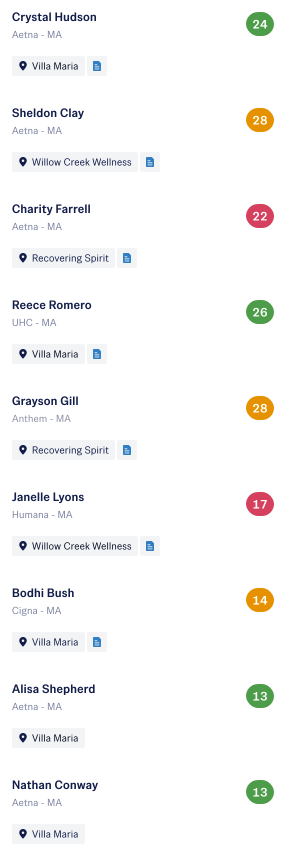
Automated Team Curation
Olio automatically connects the right people for each case — no manual searching required. Users get daily communication without any manual setup or searching.
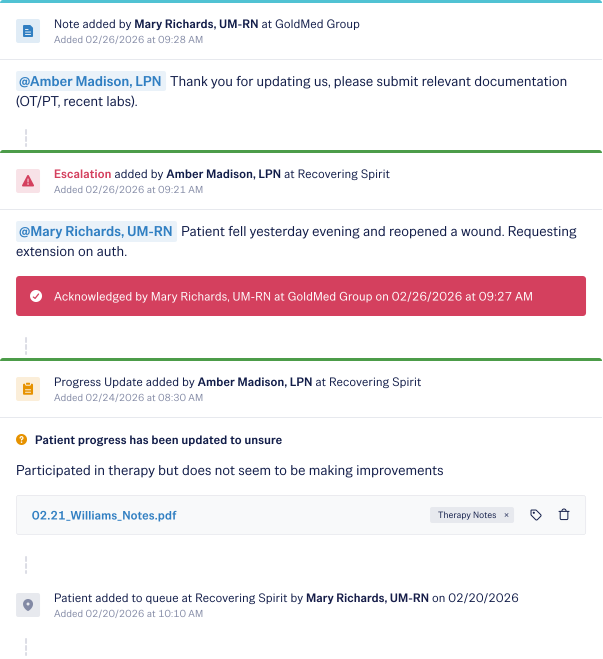
Real-Time Collaboration
Because of unmatched care team engagement, we get:
2hr
60%
56%
72%
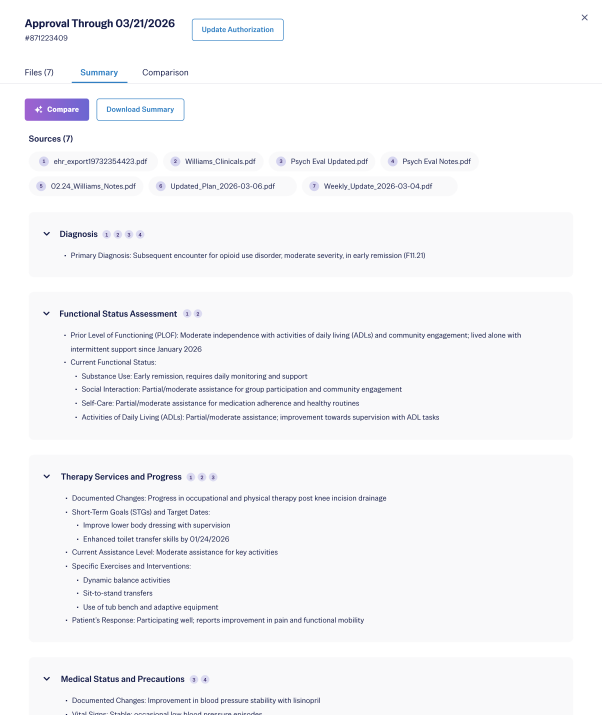
Concurrent Review Summarization
Olio's Summarization Workspace transforms the concurrent review process process by condensing clinical records into a single, clear summary of the most essential information.
Unmatched Provider Adoption
96%
average satisfaction across skilled nursing facilities (SNFs), behavioral health, and home health providers
3-year, 350% increase in SNF cases managed with weekly patient care activities up 75% resulting in:
70%
85%
90%
Don't just take our word for it
Case Study
Case Studies
Post-Acute Care Coordination
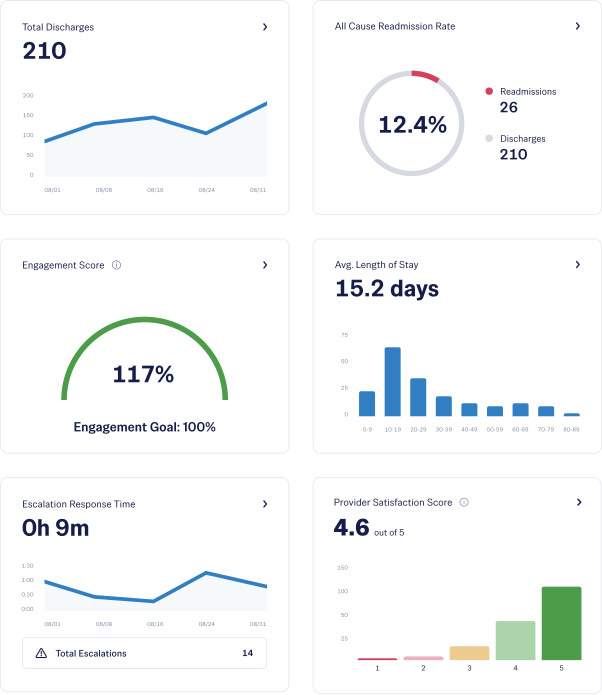
A leading payer achieved $45 million in annual savings and 39:1 ROI by implementing Olio's care coordination platform across 100+ post-acute providers. With 96% provider satisfaction and 350% adoption increase, Olio automated care team connections and enabled real-time collaboration, delivering 70% faster responses, 90% fewer escalations, and significant improvements in member outcomes including 56% more home health discharges and reduced length of stay.
Read Case Study
Software you can trust
Designed for Healthcare
Olio is fully HITRUST and HIPAA compliant, with robust technical controls and a repeatable, transparent security posture. Discover our approach to safeguarding care coordination — then explore even deeper controls, documentation, and attestations via our Trust Portal
Visit Trust Portal


FAQ
How does Olio support managed care organizations day‑to‑day?
What makes Olio different from traditional care‑management tools for plans?
How does Olio impact payer–provider collaboration?
Where are payers using Olio today?
Why is Olio relevant to value‑based and risk‑bearing payer strategies?